

Eyewear Icon: The Aviator Frame’s Storied Past
, by Vero Launier, 2 min reading time
, by Vero Launier, 2 min reading time
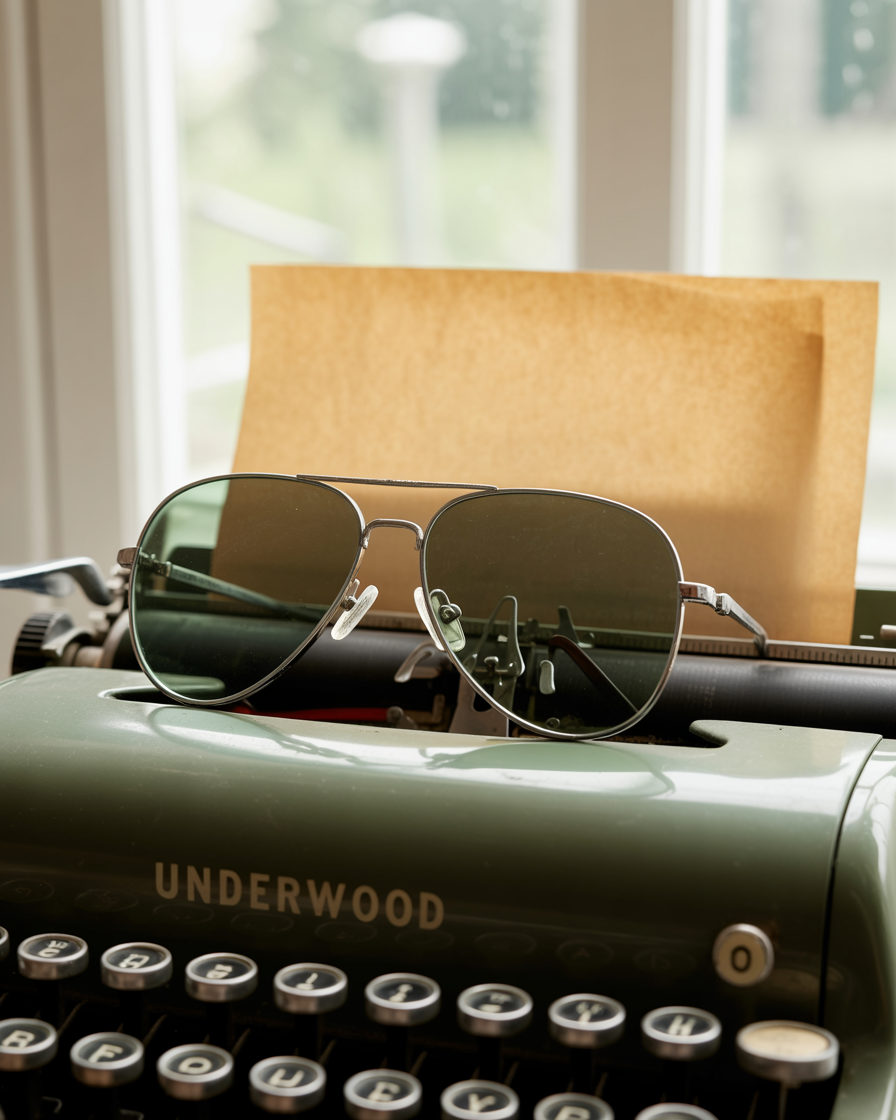
Aviator sunglasses have soared from cockpit gear to cultural icon. Originally crafted for pilots in the 1930s, their bold silhouette and timeless appeal continue to define vintage style and modern fashion alike.

Aviator frames were invented in the 1930s by Bausch & Lomb, a vision product company founded in 1853. Designed as anti-glare safety glasses, they filtered both ultraviolet and infrared rays. The shape was inspired by aviation goggles and tailored to fit under headgear.
The sunglasses were named Ray-Ban—a nod to their purpose: banning the sun’s rays. Their popularity soared after being contracted by the U.S. military and featured in iconic WWII imagery, including General Douglas MacArthur’s landing in the Philippines in 1944. In 1987, Bausch & Lomb honored MacArthur with a dedicated aviator line.

Hollywood helped cement aviators as a cultural icon. Films like Top Gun in the 1980s made them synonymous with cool confidence. Today, Ray-Ban remains a leader, though many brands offer their own takes on the classic silhouette.

Explore other designers who’ve reimagined aviators:
Though best known as sunglasses, aviator frames are also used for prescription eyewear. Wondering if you can swap tinted lenses for clear ones? Find out here:
Can I use Sunglasses frames for prescription eyeglasses?
Considering pre-owned aviators? These articles might help:
From their utilitarian roots to their place in fashion history, aviators continue to captivate. Their bold silhouette suits a variety of face shapes and styles, making them a go-to for anyone seeking timeless eyewear.

Explore more classic styles:




Sign up for our newsletter to receive free US shipping. No code needed, just use the same email address at checkout.