

Gender, Style & the Frame Debate: Are Eyeglasses Really Unisex?
, by Vero Launier, 2 min reading time
, by Vero Launier, 2 min reading time
Eyewear is often marketed along gender lines—but the truth is more fluid. From cat-eyes to chunky acetates, this guide explores how gendered design influences perception, fit, and fashion. Discover why the best frame might not be “his” or “hers”—but simply yours.
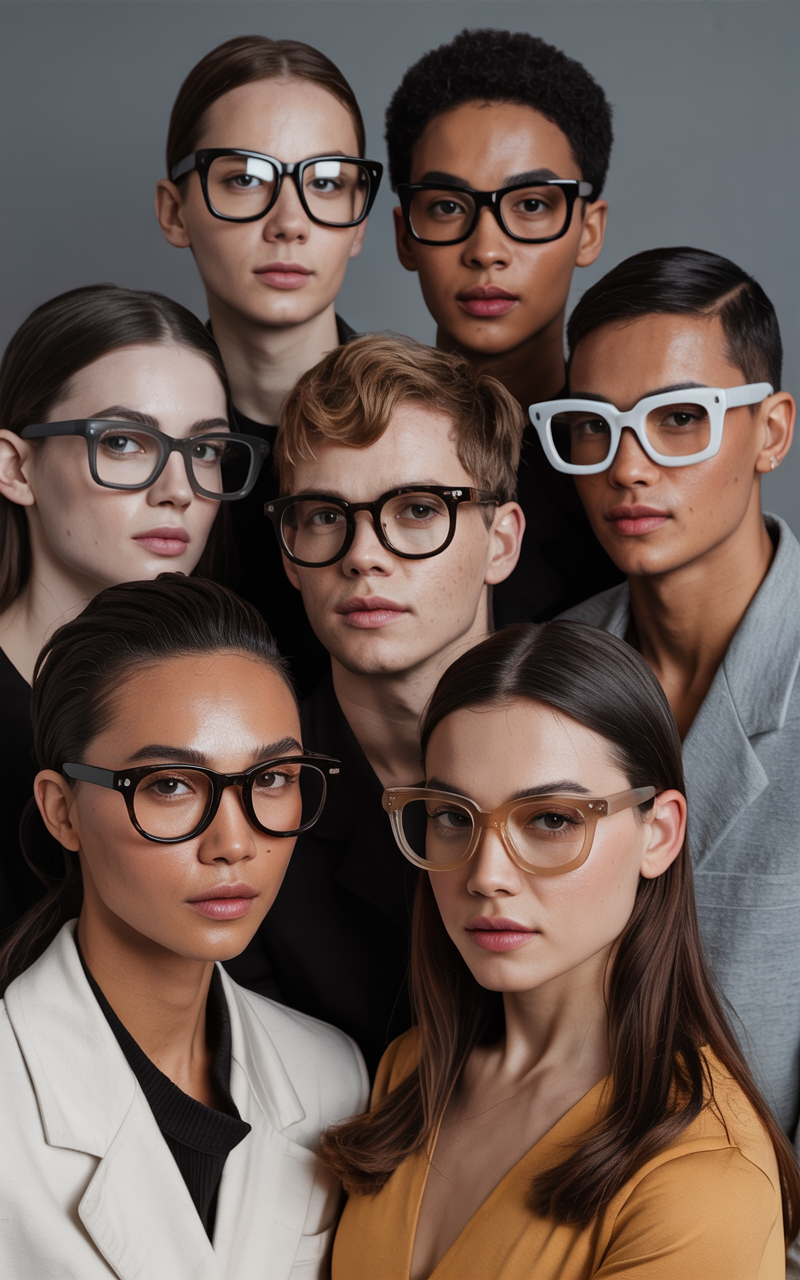
Most eyeglasses are structurally unisex—meaning they can physically fit any face regardless of gender. The distinction often lies in marketing, styling, and cultural perception. “Men’s” frames tend to feature darker colors, angular lines, and larger proportions. “Women’s” frames often lean toward softer curves, brighter hues, and decorative accents. But these are aesthetic choices—not anatomical necessities.
There are plenty of scenarios where traditionally gendered frames work better across lines:

Historically, yes—cat-eye glasses were designed to lift and accentuate the cheekbones, often paired with feminine styling. But in recent years, designers have reimagined the silhouette with neutral tones, thicker rims, and angular tweaks that make it wearable across genders. The upward sweep isn’t inherently feminine—it’s expressive.
Masculine-coded frames tend to emphasize structure, simplicity, and boldness. Think square shapes, thick bridges, minimal embellishment, and darker palettes. But these traits aren’t exclusive to men—they’re aesthetic tools. A woman wearing a “masculine” frame can look powerful, elegant, and entirely feminine depending on styling.
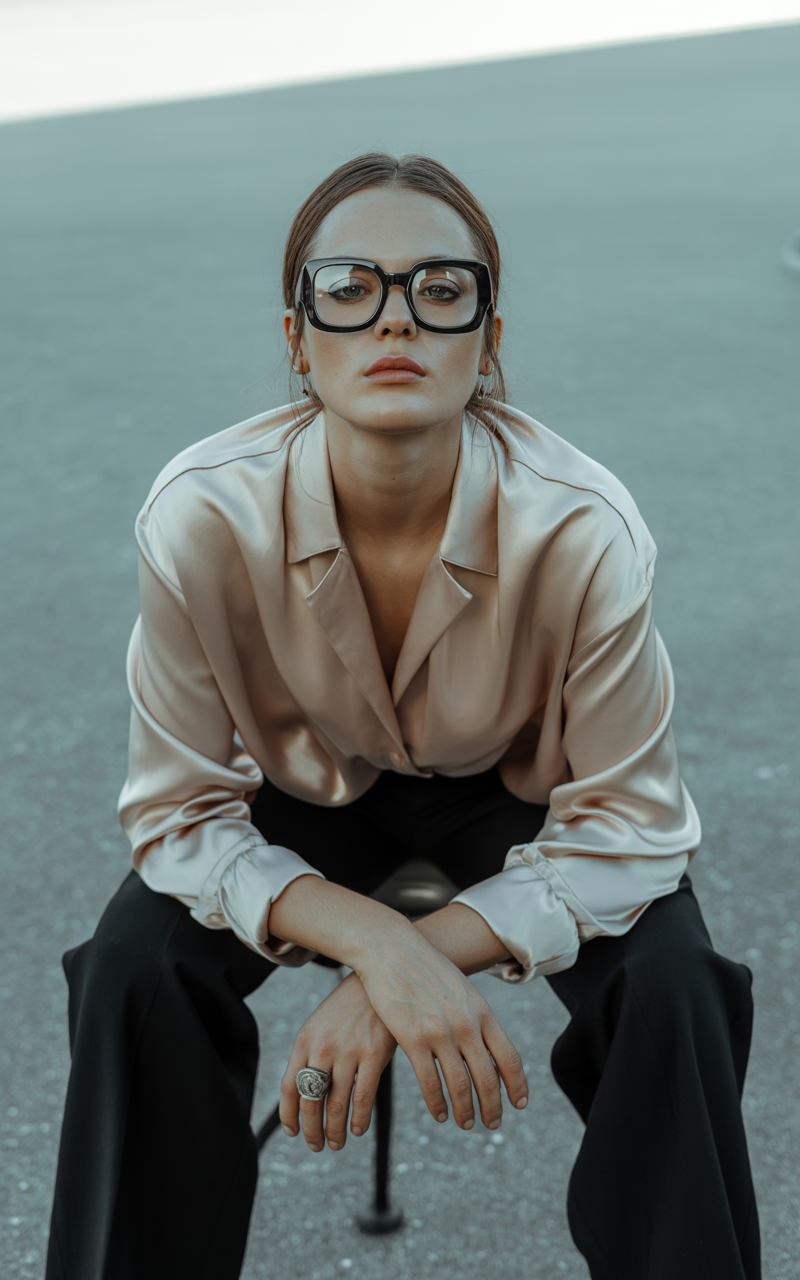
Eyewear is one of the most expressive accessories we wear. It frames our identity, not just our face. Whether you’re drawn to bold geometry, soft curves, or something in between, the best frame is the one that feels like you. Gendered labels may guide trends—but they don’t define style.



Sign up for our newsletter to receive free US shipping. No code needed, just use the same email address at checkout.