

Framed Precision: The Rectangular Eyeglass Revolution
, by Vero Launier, 2 min reading time
, by Vero Launier, 2 min reading time
Rectangular eyeglasses have journeyed from utilitarian origins to fashion-forward essentials. This article explores their evolution through design history, pop culture, and modern styling tips—revealing why these frames remain a timeless choice for clarity and character.
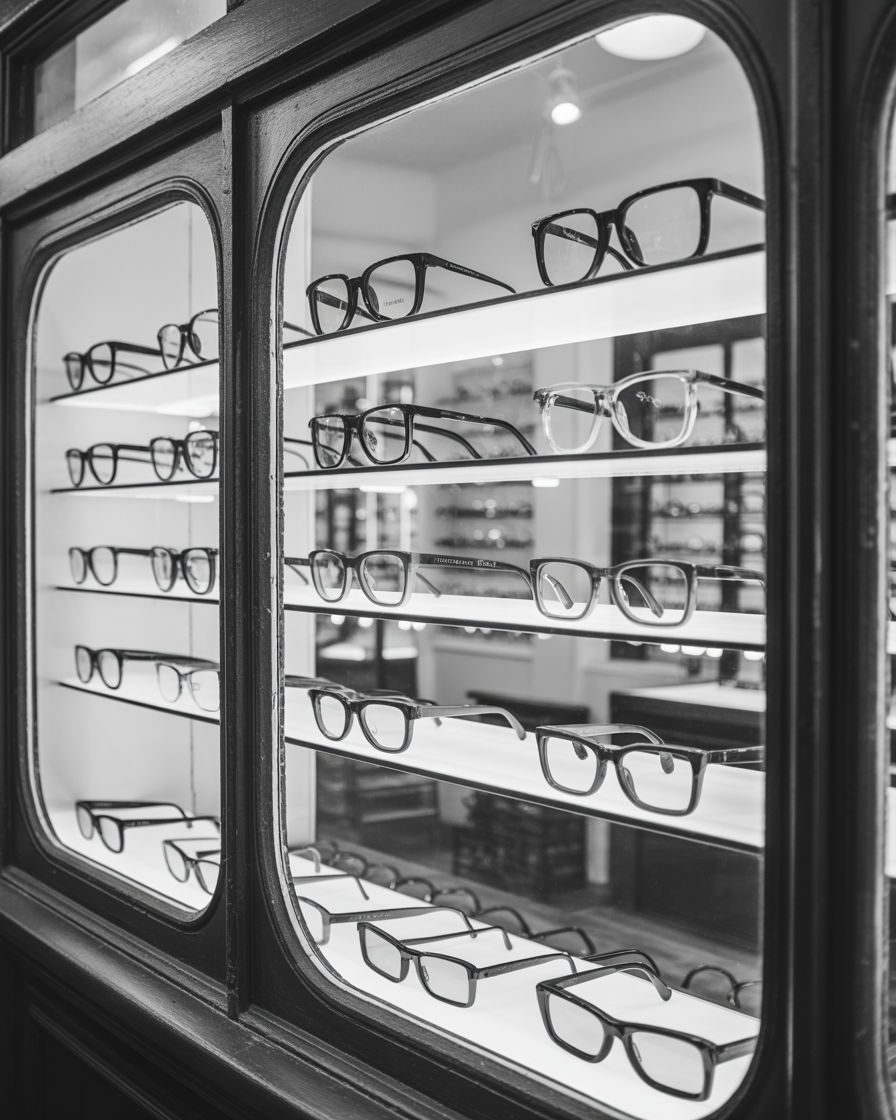
Rectangular eyeglasses trace their roots to the early 20th century, when design was driven by utility and precision. Influenced by architectural minimalism and Bauhaus principles, these frames offered clean lines and balanced proportions—ideal for clear vision and understated style.
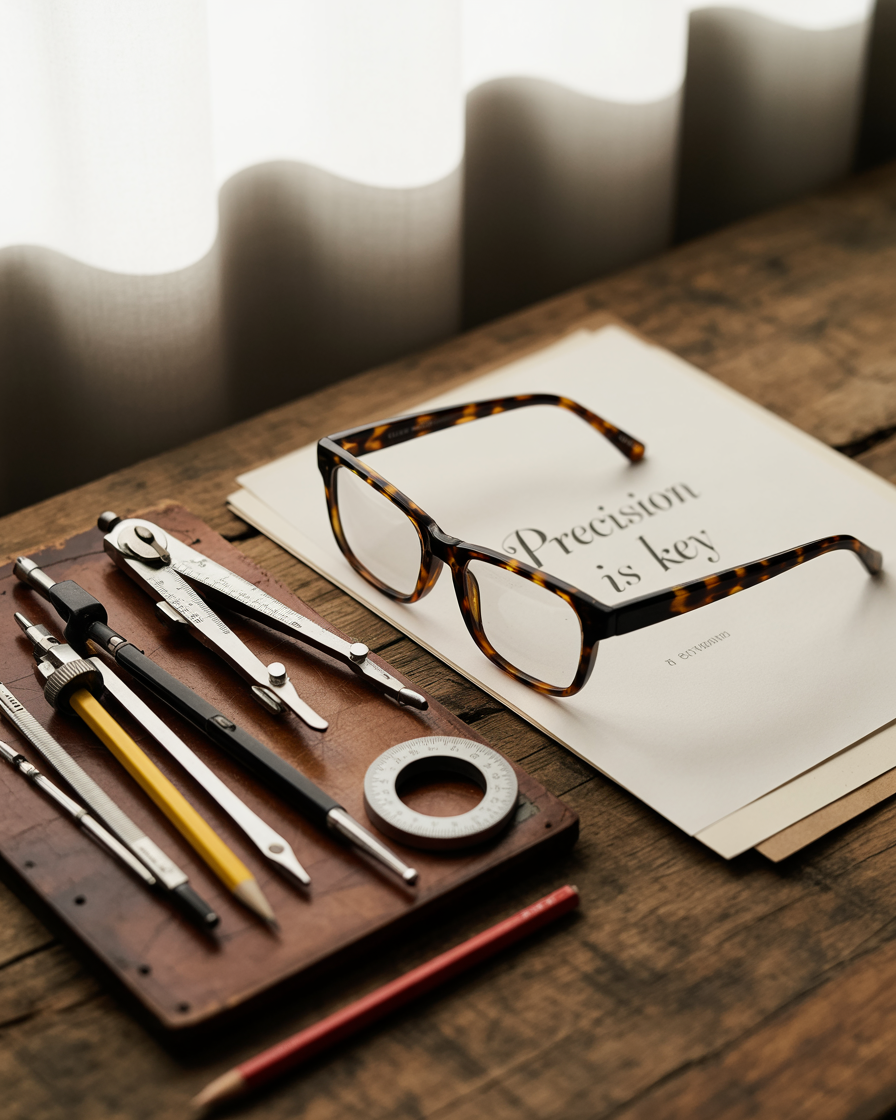
By the mid-century, rectangular glasses had become synonymous with intellect and professionalism. Worn by scholars, architects, and analysts, they projected a sense of focus and refinement. Their sharp silhouette complemented serious minds and thoughtful expressions.

Rectangular eyeglasses eventually crossed into pop culture, worn by tech innovators, fashion icons, and fictional heroes. From Steve Jobs’ minimalist look to Clark Kent’s classic disguise, the frame became a symbol of quiet authority and modern sophistication.


Today’s rectangular eyeglasses embrace sleek materials and sustainable design. Whether crafted from titanium, acetate, or recycled composites, they offer a refined silhouette that suits both digital natives and analog romantics. Their versatility makes them a staple in contemporary fashion.

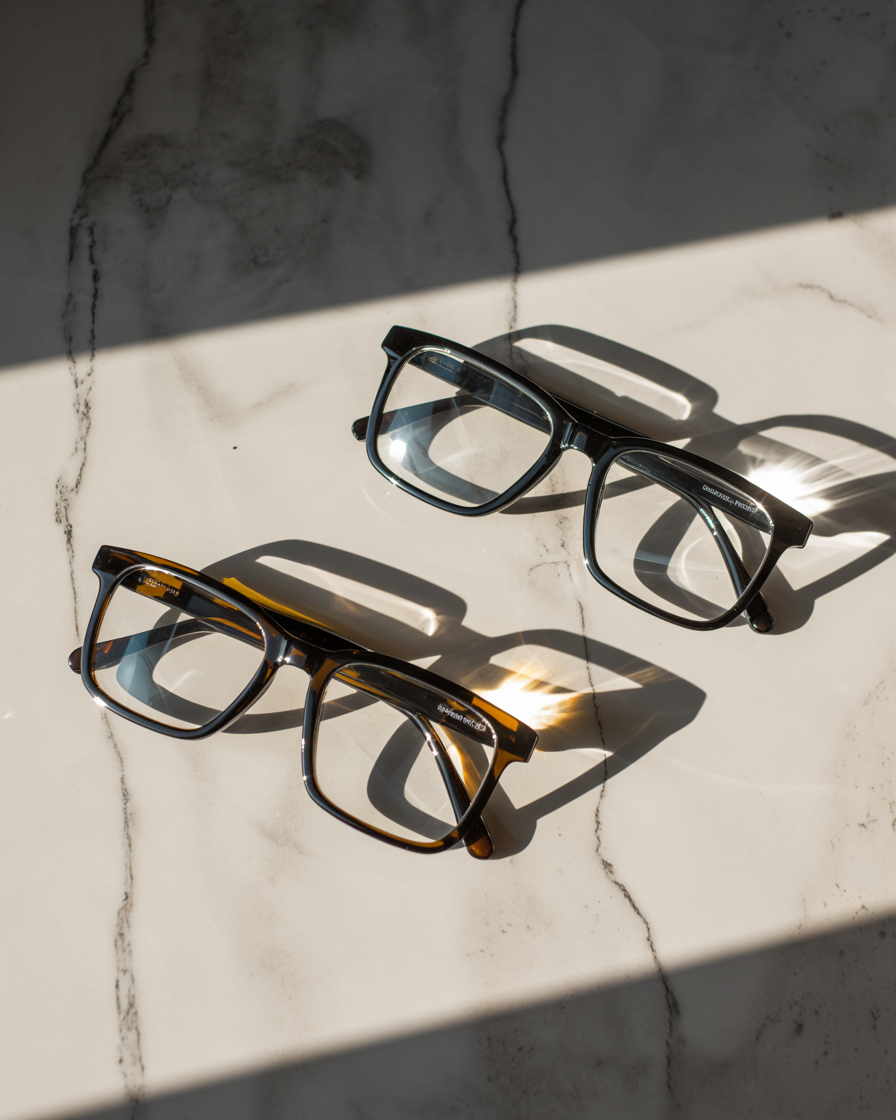
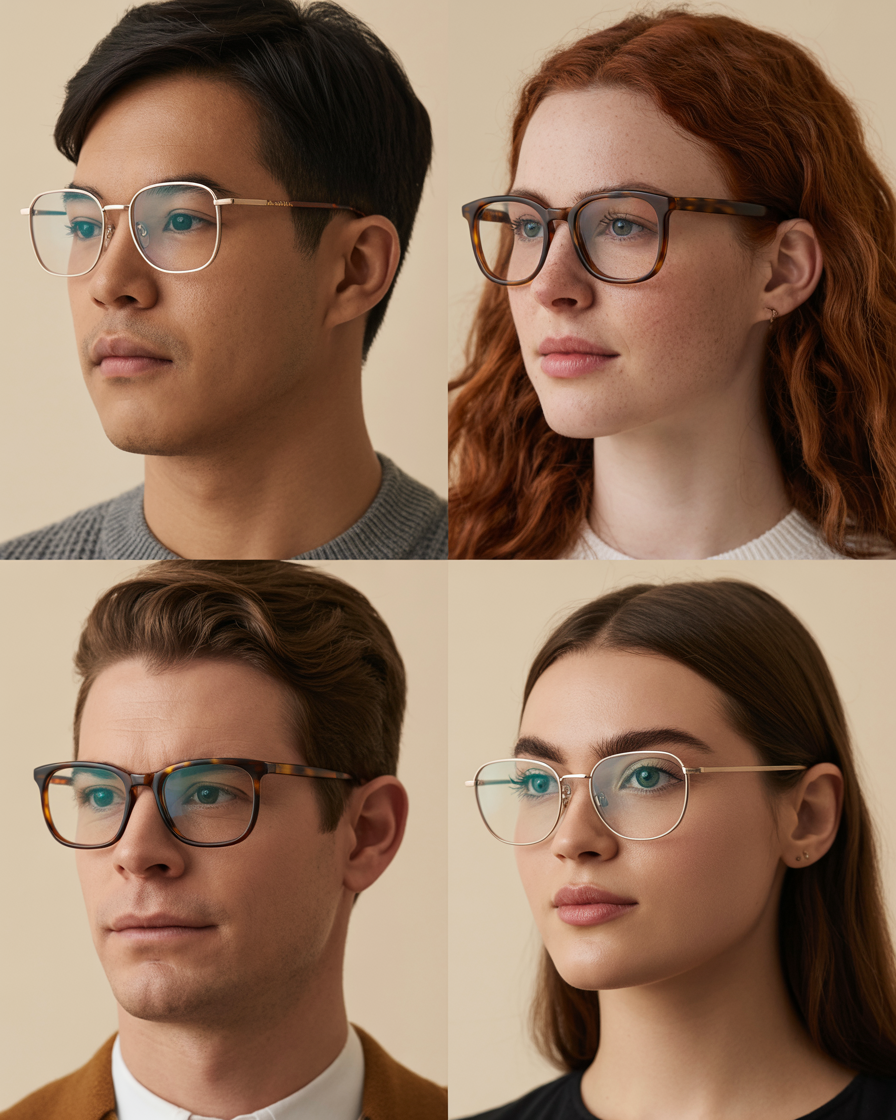
Rectangular eyeglasses work especially well for round, oval, and heart-shaped faces, offering contrast and structure. Their clean lines can sharpen soft features or enhance angular ones. Whether styled for business, casual, or creative looks, they remain effortlessly adaptable.





Sign up for our newsletter to receive free US shipping. No code needed, just use the same email address at checkout.